The Jetour T2 RHD export process, step by step
Importing a vehicle from China follows a predictable sequence. Here is what happens at each stage, which documents you receive, and what you need to prepare at your end.
What are the steps from inquiry to delivery?
1. Inquiry
Send the model, engine, seat count, colour, quantity and destination port. If you are unsure, tell us your budget and use — sales will recommend a configuration.
2. Communication & quote
We confirm RHD availability and timing, then quote FOB (loaded at the Chinese port) or CIF (delivered to your port including freight and insurance).
3. Order confirmation
You receive a proforma invoice (PI) with the exact configuration, price, payment terms and delivery window. Payment terms are agreed per order.
4. Inspection
Before loading, vehicles are checked and photographed. If your country requires a third-party pre-shipment inspection, we coordinate it with the approved body.
5. Shipping
Vehicles go by Ro-Ro (driven onto the ship) or secured in 40HQ containers. You receive loading photos and shipping details.
6. After-sales service
We stay in contact through arrival and clearance, and support follow-up orders and parts requests.
How long does it take?
For in-stock vehicles, shipment can be arranged within about 10 working days after payment. Specific configurations depend on sourcing and preparation; sales confirms the timeline in writing before you pay. Sea transit time depends on the route and the shipping line's schedule.
FOB or CIF: which should you choose?
FOB and CIF are Incoterms® rules published by the International Chamber of Commerce. Under FOB the seller's responsibility ends when the vehicle is on board the vessel at the port of loading; your own forwarder books and pays the sea freight. Under CIF we book freight and buy minimum marine insurance to your named destination port, and the risk still passes to you once the goods are on board in China. Choose FOB if you already have a forwarder with good rates; choose CIF if you want one price to your port.
International Chamber of Commerce — Incoterms® rulesRo-Ro or container shipping?
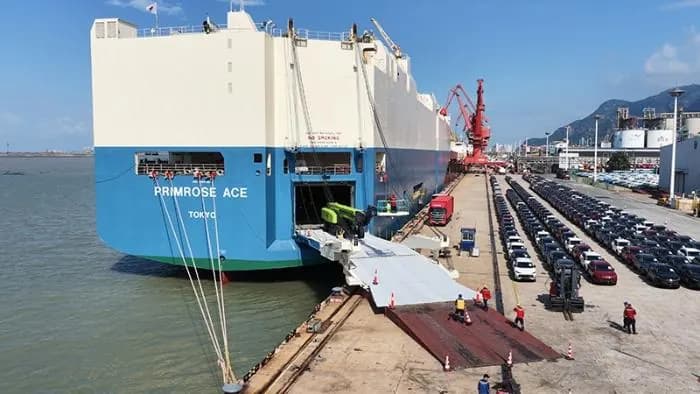
Ro-Ro
The vehicle is driven onto a roll-on/roll-off vessel. Usually the lower-cost option for larger quantities on routes with regular car-carrier calls.
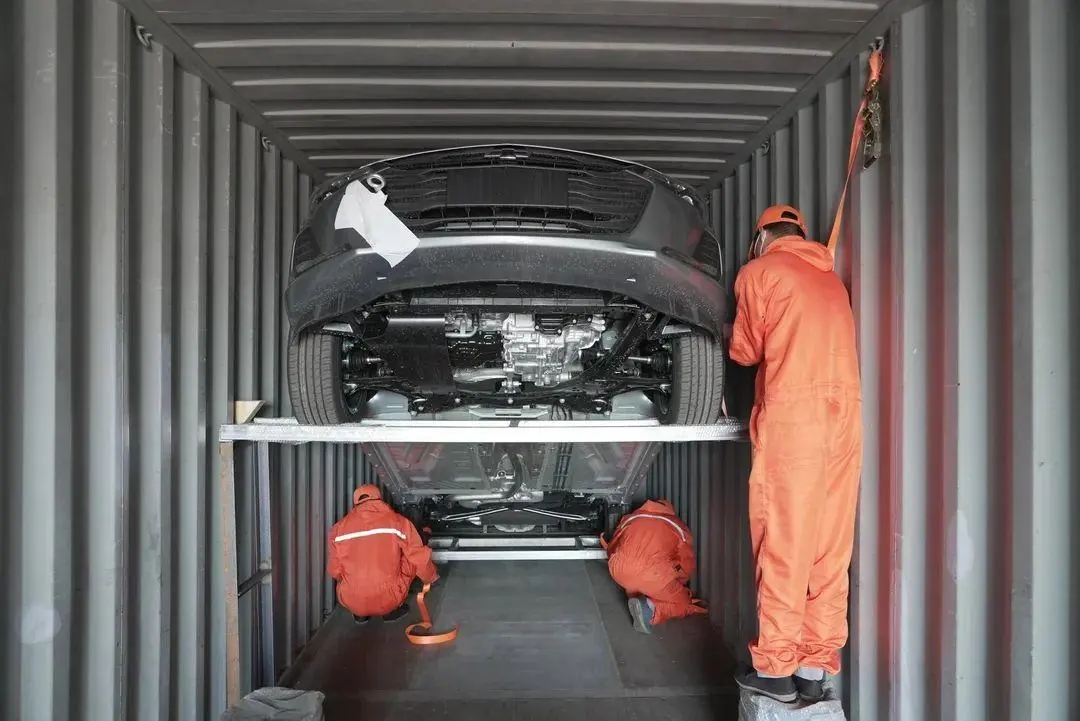
40HQ container
Vehicles are secured inside a high-cube container. Protects paint and allows mixed loads with parts; useful for smaller quantities or routes without Ro-Ro service.
Which documents will you receive?
- Proforma invoice (PI) and commercial invoice
- Packing list
- Bill of lading (B/L)
- Certificate of origin (CO) where required
- Export customs declaration
- Inspection report or certificate where your country requires one
Import rules differ by country. Ask your clearing agent which documents and inspections your customs authority requires before you order; we will prepare the China-side documents to match.
Global marketsHow do payments work?
Payment terms are agreed per order and written on the proforma invoice. A deposit secures the vehicles and starts preparation; the balance is due before release of the shipping documents unless otherwise agreed. Ask sales which payment methods are available for your country.
FAQsTalk with an export specialist
Get pricing, availability and shipping options for your country.