Published · Updated · 7 min read
How to Import a Jetour T2 RHD from China: Step-by-Step Guide for Overseas Buyers
From choosing 1.5T or 2.0T to clearing customs at your port — the full import sequence, with the documents you should expect at each step.
By EVtoU Export Team
Importing a Jetour T2 RHD from China takes six steps: choose the configuration, request an FOB or CIF quote, confirm the proforma invoice, pay the deposit, inspect and ship, then clear customs at your port. Most delays come from unclear specifications or missing import documents, not from shipping. This guide walks through each step so you can plan with your clearing agent before you pay anything.
Step 1: Which Jetour T2 configuration fits your market?
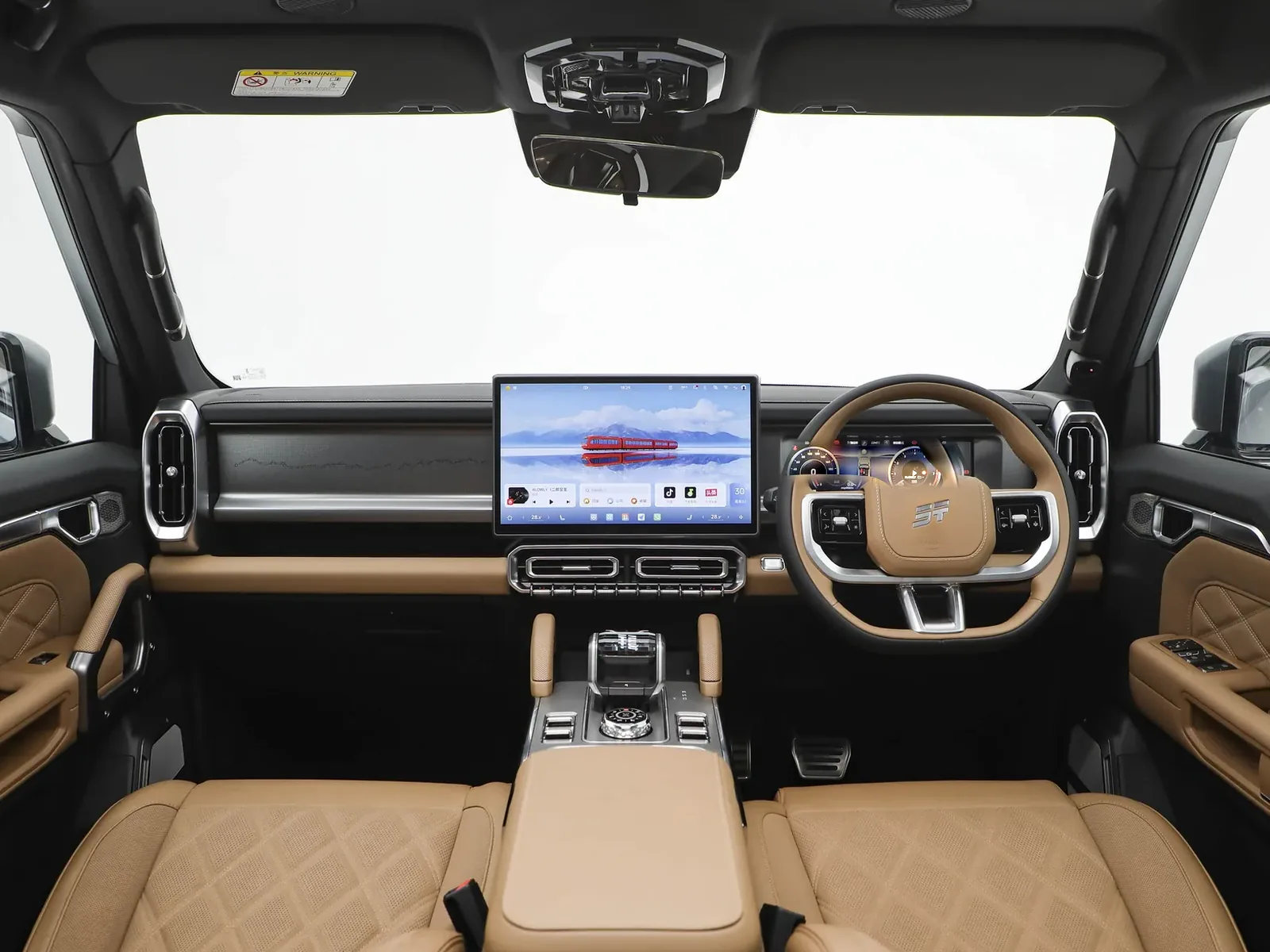
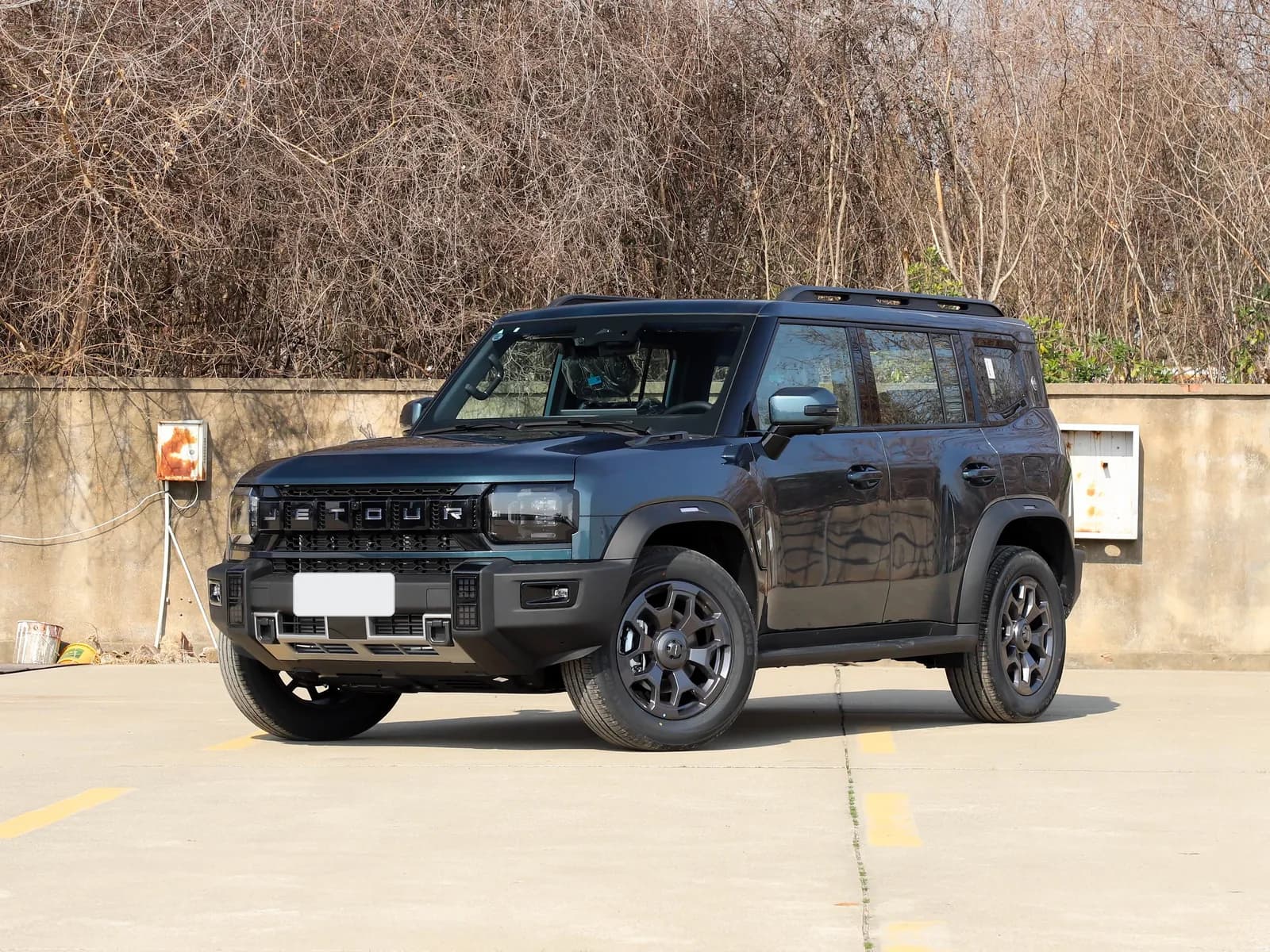
Start with how the vehicle will be used. The 2026 Jetour T2 RHD offers two engines in a 4,795 mm five-seat body: the 1.5TD front-wheel drive with a 7-speed wet DCT, and the 2.0TD with an 8-speed automatic and on-demand 4WD. The 2027 Jetour T2 RHD is quoted against the newest factory lineup, including an extended 5,034 mm body with an optional seven-seat layout.
- City retail and price-led stock: 1.5TD FWD.
- Gravel roads, game parks, towing: 2.0TD 4WD with rear diff lock.
- Tour, lodge or large-family use: 2.0TD 7-seat extended body.
Also decide colours (Glacier White, Deep Sea Blue, Polar Night Black, Highway Grey, Snow Mountain Silver) and how many of each. Mixed orders are fine.
Step 2: Should you buy FOB or CIF?
FOB means our price covers the vehicle loaded on board at the Chinese port; your forwarder pays sea freight. CIF means we also book freight and buy marine insurance to your destination port. Both are Incoterms® rules defined by the International Chamber of Commerce. If you do not already have a forwarder with good vehicle rates, CIF is simpler. Our export process page explains the difference in more detail.
Step 3: What should be on the proforma invoice?
The proforma invoice (PI) is the document your bank and your customs agent will rely on. Check that it states:
- Model year, engine, drivetrain, seat count and steering (RHD)
- Colour and quantity per configuration
- Unit price, total price, currency and Incoterm (FOB or CIF + port)
- Payment terms and the delivery window
- Bank details — always confirm them by phone or WhatsApp with your sales manager
Step 4: Payment, preparation and inspection
After the deposit, vehicles are reserved and prepared. In-stock vehicles can usually ship within about 10 working days after payment; specific configurations take longer and the timeline is confirmed before you pay. Some countries require a pre-shipment inspection by an approved body — Kenya, for example, operates a verification of conformity programme through the Kenya Bureau of Standards. Ask your agent early, because the inspection must happen before loading.
Step 5: Ro-Ro or container?
| Ro-Ro | 40HQ container | |
|---|---|---|
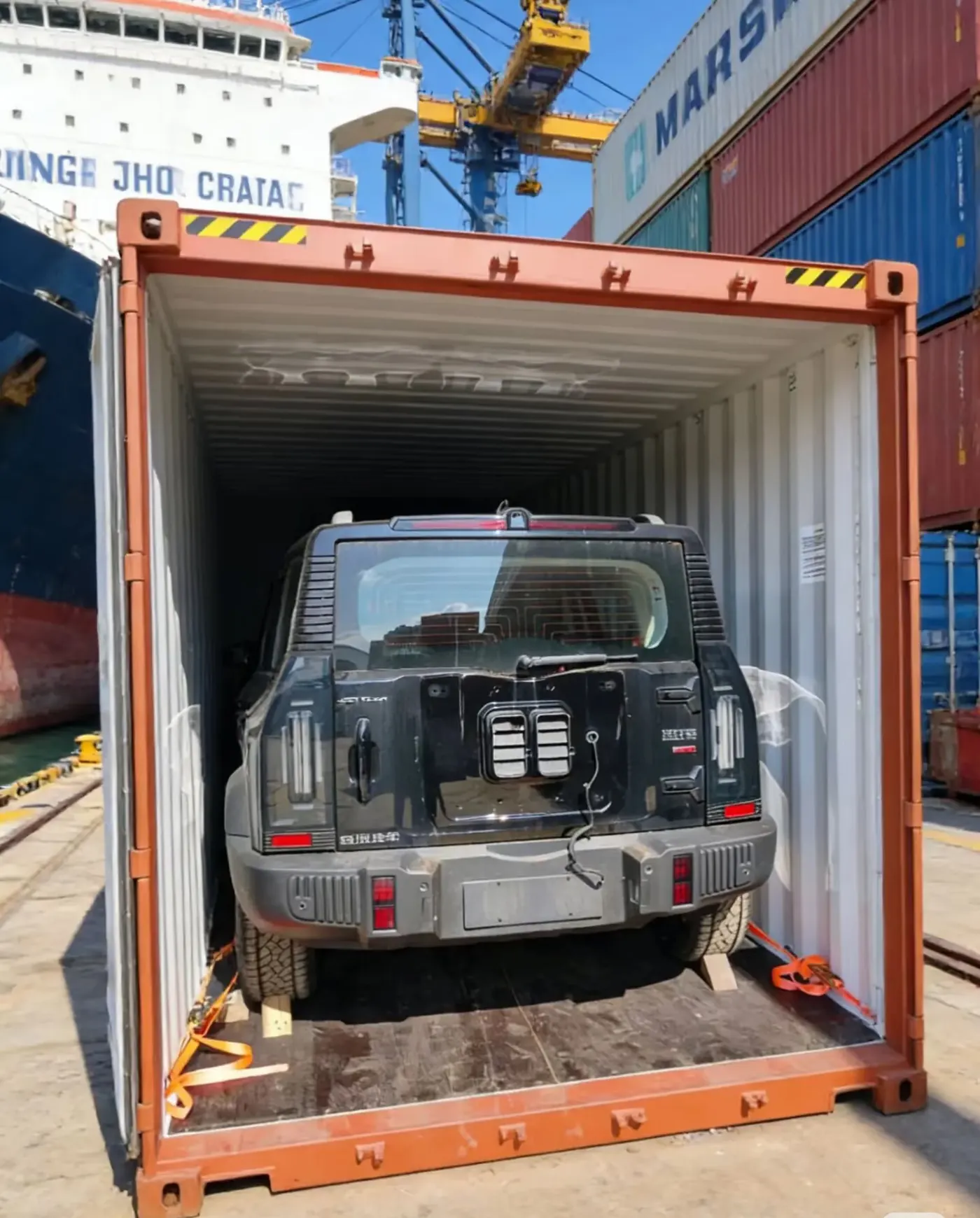
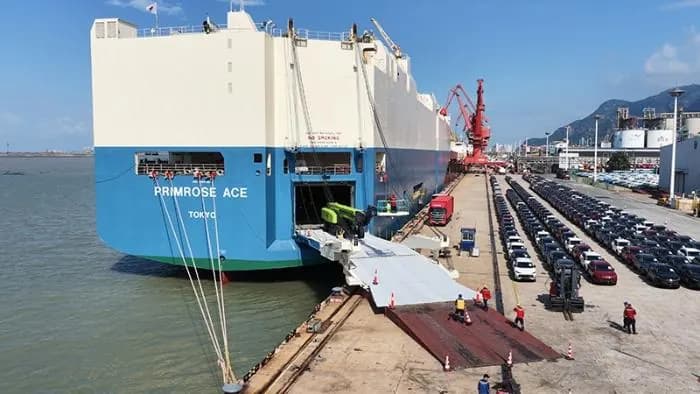
| How it works | Vehicle is driven onto a car-carrier vessel | Vehicle is strapped and chocked inside a container |
| Best for | Larger quantities, ports with regular Ro-Ro calls | Small quantities, islands, mixed loads with parts |
| Paint protection | Good | Best |
You will receive photos or video at loading, and the bill of lading once the vessel sails.
Step 6: Customs clearance and registration
Your clearing agent uses the commercial invoice, packing list, bill of lading and any certificate of origin or inspection report to clear the vehicles. Duties and taxes are set by your country's revenue authority — we list the official sources for each market on our global markets page. For landlocked countries such as Zambia or Uganda, add the transit leg from the port to your planning.
Common mistakes to avoid
- Paying before you have a written PI with the full configuration.
- Forgetting a mandatory pre-shipment inspection.
- Ignoring the inland transit cost to a landlocked country.
- Assuming Chinese-market equipment lists match the RHD export build — always confirm on the PI.